The Main Value Driver of Vedanta Oil & Gas - A Breakdown
The subtle gap between Intrinsic value & Market Price - Hold or let go?
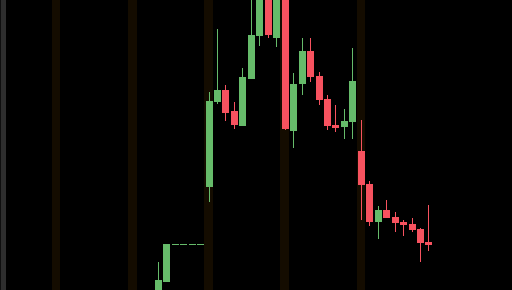
Investing is an art of going in when intrinsic value of a business > than the market price of its share and to leverage on the gap between them.
However, when that gap closes (intrinsic value >= market price), it is not necessary that the investor always divest from that company. Sometimes, investors stay in even beyond that gap closes because they never saw the price, but the asset was the real reason behind the investment.
One such example is Vedanta Oil & Gas Ltd (VOGL). The main value driver of the business is its asset - Cairn Energy, the one is merged with back in 2017.
VOGL owns 1.3Bn barrels of reserve, spanning across 44 blocks and 11 basins, capturing an area of 47000 Crores square km. The company makes up for 25% of India's crude oil production, and with the government's goal of reducing crude import dependency as high as 85% - 88%, VOGL has a good potential for leveraging future growth.
As of FY2025-26, the company's total production has been 100% sold and consumed in India itself, showing the demand to be captured.
Although, the oil producing plants are subject to decline due to natural reasons at ~18% year on year, the company is focussed on reducing the number to less than 12% as they are putting in active interventions and decline management efforts by engaging into incremental recovery projects to reverse the decline by infusing infill wells across the producing blocks.
Despite becoming a net zero debt company, the management has been successful in reducing the decline percentage to 13% year on year from former 18%.
As per my opinion, given the natural bottleneck of production declining and all of the other factors discussed above, I believe that VOGL has a good future ahead for its business as the geopolitical environment encourages oil production in home country, as imports become riskier as well as costlier.
The oil sector and VOGL can leverage their growth at the back of private consumption is on the rise along with GST reduction rationalisation, rising government spending, monetary easing through rate cuts, and 2x shift towards domestic air travel than international given higher fares and geopolitical and safety concerns.
Although, the spin-off is very recent therefore, waiting and analysing before coming to conclusion is the way to go for now.